When Does a Fire Extinguisher Need Hydrostatic Testing?
When and Why Fire Extinguishers Require Hydrostatic Testing
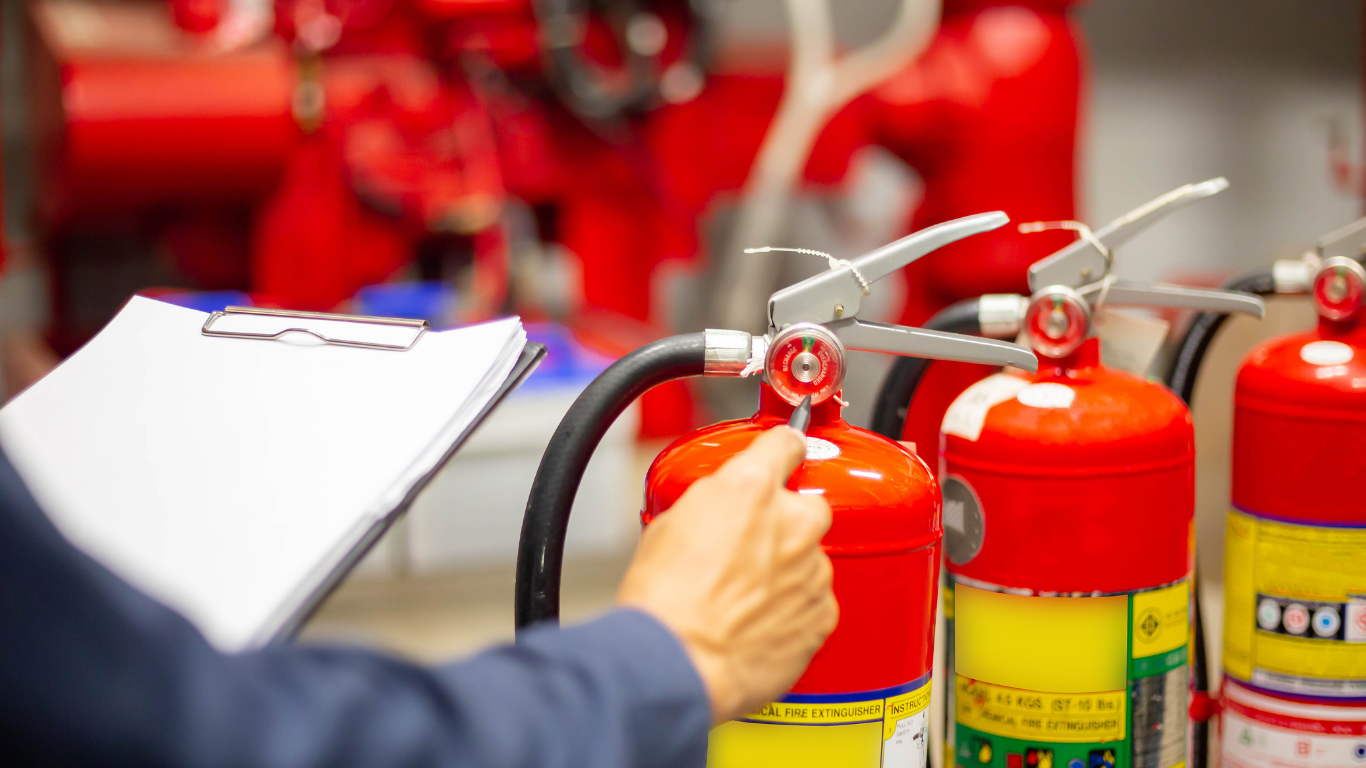
Hydrostatic testing is one of the most commonly overlooked fire extinguisher requirements for Texas businesses. While many owners understand the need for monthly and annual inspections, fewer realize that certain fire extinguishers must also undergo
periodic hydrostatic testing to remain compliant with fire code regulations.
Hydrostatic testing is designed to verify the structural integrity of a fire extinguisher’s pressure vessel. Over time, extinguishers are exposed to pressure, temperature changes, corrosion, and wear. Without testing, weakened cylinders can fail during use, creating a serious safety hazard.
In Texas, businesses are required to comply with hydrostatic testing schedules established by national fire safety standards and enforced by local fire marshals. This guide explains what hydrostatic testing is, when it is required, which extinguishers are affected, and how businesses can stay compliant.
What Is Hydrostatic Testing?
Hydrostatic testing is a pressure test used to confirm that a fire extinguisher cylinder can safely withstand its rated operating pressure. During the test, the extinguisher is filled with water and pressurized to a level higher than its normal working pressure.
Because water does not compress like air or gas, this testing method is safer and more accurate. If the cylinder expands beyond acceptable limits or shows signs of leakage, it fails the test and must be removed from service.
Hydrostatic testing ensures that extinguishers will not rupture, leak, or fail when used during an emergency.
Why Hydrostatic Testing Is Required
Fire extinguishers are pressurized vessels. Over time, internal corrosion, metal fatigue, or physical damage can weaken the cylinder. A compromised extinguisher may:
- Lose pressure unexpectedly
- Leak extinguishing agent
- Fail to discharge properly
- Rupture during use
Hydrostatic testing helps identify these risks before an extinguisher is placed in an emergency situation.
Fire extinguisher testing requirements are established by the National Fire Protection Association under NFPA 10 and enforced in Texas by local authorities under the Texas State Fire Marshal’s Office.
Which Fire Extinguishers Require Hydrostatic Testing?
Not all fire extinguishers require hydrostatic testing at the same interval, but most commercial extinguishers do require it at some point in their service life.
Common extinguisher types that require hydrostatic testing include:
- Dry chemical extinguishers
- Carbon dioxide (CO₂) extinguishers
- Water extinguishers
- Wet chemical extinguishers
Disposable fire extinguishers, which are typically smaller and non-refillable, are not hydrostatically tested and must be replaced when they reach the end of their service life.
Hydrostatic Testing Intervals by Fire Extinguisher Type
Hydrostatic testing intervals vary based on the type of extinguisher and the material of the cylinder.
Dry Chemical Fire Extinguishers
Most dry chemical extinguishers used in commercial buildings require hydrostatic testing every 12 years from the date of manufacture.
These are commonly found in offices, retail stores, warehouses, and general commercial spaces.
Carbon Dioxide (CO₂) Fire Extinguishers
CO₂ extinguishers require hydrostatic testing every 5 years. These extinguishers operate at much higher pressures and are commonly used in:
- Electrical rooms
- Data centers
- Commercial kitchens
Due to their pressure levels, CO₂ extinguishers are closely scrutinized during inspections.
Water and Wet Chemical Fire Extinguishers
Water-based and wet chemical extinguishers have hydrostatic testing intervals that vary based on manufacturer specifications but often fall within 5- or 12-year cycles.
Wet chemical extinguishers are commonly used in commercial kitchens for grease fires and are frequently checked by fire marshals.
How Hydrostatic Testing Is Documented
After an extinguisher passes hydrostatic testing, documentation is required to verify compliance. This documentation may include:
- A stamped test date on the cylinder
- A permanent label indicating the test month and year
- Updated service records maintained by the testing provider
Fire marshals routinely check hydrostatic test dates during inspections. Missing, expired, or illegible test markings can result in violations.
What Happens During the Hydrostatic Testing Process?
Hydrostatic testing is performed at a certified facility using specialized equipment. The general process includes:
- Removing the extinguisher from service
- Discharging and depressurizing the unit
- Filling the cylinder with water
- Pressurizing the cylinder to the required test pressure
- Measuring expansion and checking for leaks
- Evaluating whether the cylinder meets safety standards
If the extinguisher passes, it may be reassembled, recharged, and returned to service. If it fails, it must be permanently removed and properly disposed of.
Can a Fire Extinguisher Fail Hydrostatic Testing?
Yes. Extinguishers may fail hydrostatic testing for several reasons, including:
- Excessive cylinder expansion
- Leaks or cracks
- Internal corrosion
- Structural deformation
A failed extinguisher cannot be repaired or reused. Replacement is required to maintain compliance and safety.
How Hydrostatic Testing Differs From Annual Inspections
Hydrostatic testing is
not the same as an annual fire extinguisher inspection.
- Annual inspections confirm operational readiness and compliance
- Hydrostatic testing verifies long-term structural integrity
Both are required at different intervals, and neither replaces the other.
Common Hydrostatic Testing Compliance Issues
Texas businesses frequently encounter violations related to hydrostatic testing due to:
- Unawareness of testing intervals
- Missing or unreadable test markings
- Confusing annual inspection tags with hydrotest dates
- Using older extinguishers beyond their test period
These issues often surface during fire marshal inspections.
How Fire Marshals Enforce Hydrostatic Testing Requirements
During an inspection, a fire marshal may:
- Check hydrostatic test dates on extinguisher cylinders
- Compare dates to inspection records
- Verify extinguisher type and service history
Expired hydrostatic testing is considered a serious compliance issue and often requires immediate correction.
Managing Hydrostatic Testing for Multiple Extinguishers
Businesses with multiple extinguishers or multiple locations can struggle to track hydrostatic testing schedules. Many choose to work with a single service provider that maintains:
- Centralized service records
- Automated testing schedules
- Clear documentation for inspections
This approach reduces the risk of missed testing deadlines.
Supporting Hydrostatic Testing Compliance in North Texas
AllStar Fire Extinguisher Service has assisted businesses throughout Dallas, Collin, Denton, Tarrant, and Ellis Counties since 2010. By offering hydrostatic testing coordination, inspections, maintenance, and replacement services, AllStar helps businesses ensure extinguishers remain safe, compliant, and ready for use.
Final Thoughts
Hydrostatic testing is a critical but often misunderstood component of fire extinguisher compliance. While it does not occur as frequently as monthly or annual inspections, it plays an essential role in verifying the long-term safety of pressurized fire extinguishers.
Texas businesses that understand hydrostatic testing requirements and track testing schedules carefully are better prepared for inspections, less likely to face violations, and more confident in the reliability of their fire safety equipment.
Recent Posts