Fire Extinguisher Training Classes: Are They Required for Employees?
Fire extinguisher training is often misunderstood by Texas business owners and managers. Many assume employee training is mandatory in all situations, while others believe it is unnecessary if fire extinguishers are simply mounted and inspected. The reality falls somewhere in between.
Texas fire codes do not require every employee to receive hands-on fire extinguisher training, but training becomes strongly recommended—and in some cases functionally necessary—depending on how a business expects employees to respond during a fire. Understanding when training is required, what it should include, and how it affects liability is critical for maintaining a safe and compliant workplace.
This guide explains what Texas fire codes say about fire extinguisher training, which businesses benefit most from training programs, and how proper instruction supports safety and compliance.
Who Sets Fire Extinguisher Training Standards?
Fire extinguisher training requirements in Texas are influenced by nationally recognized safety standards and enforced locally.
The
National Fire Protection Association establishes guidelines for fire extinguisher use and training through NFPA standards, including NFPA 10. These standards are adopted and enforced in Texas under the authority of the
Texas State Fire Marshal’s Office and local fire marshals.
While fire codes focus heavily on equipment installation and maintenance, they also address employee responsibilities during emergencies.
Are Fire Extinguisher Training Classes Required in Texas?
The Short Answer
Texas fire code
does not require all employees to receive fire extinguisher training. However, training is required if employees are expected to use fire extinguishers as part of your emergency response plan.
What Fire Code Actually Requires
Fire codes generally assume one of two approaches:
- Employee evacuation only
- Limited employee fire response using portable extinguishers
If your business policy instructs employees to evacuate immediately and not attempt to fight fires, formal extinguisher training may not be required. However, if employees are expected to use extinguishers to control small fires, training becomes essential.
Why Training Matters Even When Not Explicitly Required
Even when not mandated, fire extinguisher training provides important benefits:
- Reduces panic during emergencies
- Helps employees recognize when it is safe to use an extinguisher
- Prevents misuse of equipment
- Reduces injury risk
- Supports safer evacuation decisions
Untrained employees attempting to use extinguishers improperly can create dangerous situations.
What Fire Extinguisher Training Typically Covers
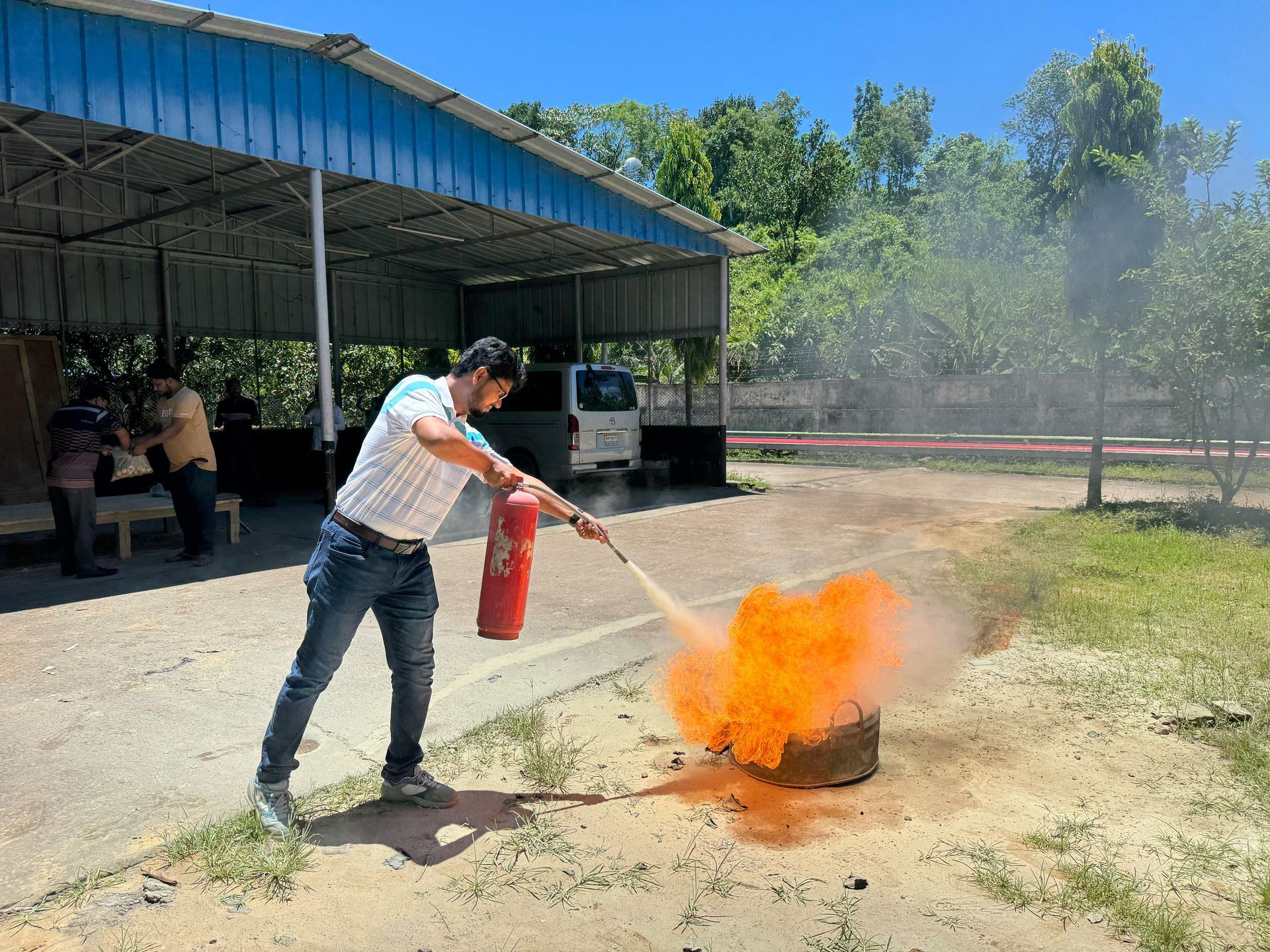
A professional fire extinguisher training class usually includes both classroom instruction and practical guidance.
Fire Behavior Basics
Employees learn:
- How fires start and spread
- The difference between small, controllable fires and dangerous fires
- When not to attempt extinguisher use
Understanding fire behavior helps employees make better decisions during emergencies.
Fire Extinguisher Types
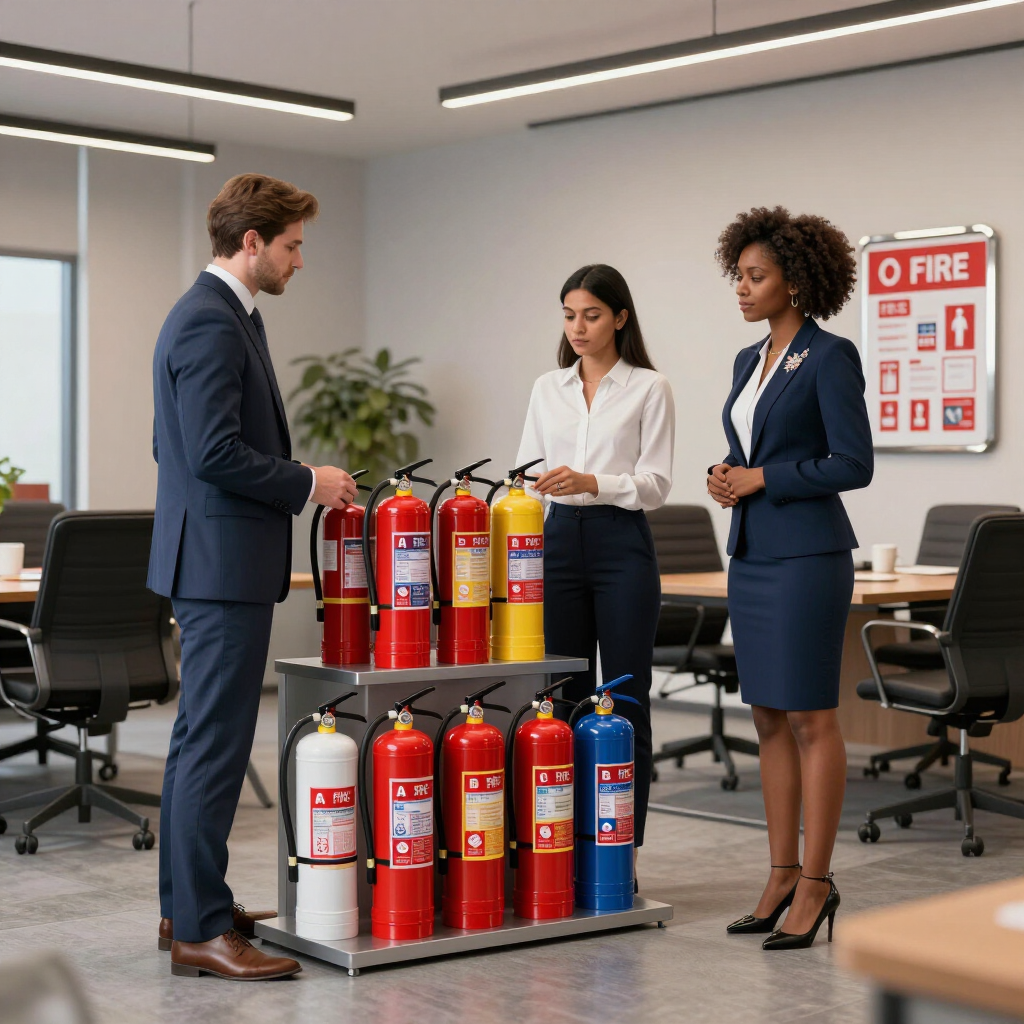
Training covers:
- Common extinguisher classes
- Which extinguisher types are used in the workplace
- Why using the wrong extinguisher can be dangerous
This is especially important in facilities with multiple extinguisher types.
Proper Extinguisher Use
Employees are taught how to:
- Safely approach a fire
- Operate an extinguisher correctly
- Maintain a clear escape path
- Stop if conditions worsen
Training emphasizes safety over extinguishment.
Emergency Procedures
Training reinforces:
- Alarm activation procedures
- Evacuation routes
- When to abandon fire-fighting efforts
- Reporting and accountability after evacuation
This helps integrate extinguisher use into a broader emergency plan.
Which Businesses Benefit Most From Fire Extinguisher Training?
Restaurants and Commercial Kitchens
Kitchens experience higher fire risk due to cooking equipment, grease, and heat sources. Training helps staff recognize when extinguishers may be used safely and when evacuation is necessary.
Warehouses and Industrial Facilities
Facilities with machinery, flammable materials, or electrical equipment benefit from training tailored to their specific hazards.
Office Buildings and Retail Spaces
While lower risk, training helps employees respond appropriately to small fires and reinforces evacuation procedures.
Property Management and Multi-Tenant Buildings
Training can be beneficial for maintenance staff or designated personnel responsible for initial response.
How Training Impacts Fire Inspections
Fire marshals may ask questions during inspections about:
- Emergency response procedures
- Employee responsibilities during a fire
- Whether staff are expected to use extinguishers
If a business indicates that employees are expected to fight fires without training, this can raise concerns. Training helps demonstrate that safety responsibilities are clearly defined and supported.
Training Frequency and Refresher Courses
Fire extinguisher training is not a one-time event. Best practices include:
- Training new employees during onboarding
- Periodic refresher sessions
- Additional training when workplace hazards change
Refresher training helps ensure employees retain knowledge and confidence.
Documentation and Recordkeeping
While fire codes may not require training documentation in all cases, maintaining records is strongly recommended.
Documentation may include:
- Training dates
- Attendee lists
- Training topics covered
These records demonstrate due diligence and safety awareness.
Liability and Insurance Considerations
Fire extinguisher training can impact liability exposure. In the event of a fire, businesses may be evaluated on:
- Whether employees were trained
- Whether expectations were clearly communicated
- Whether safety procedures were reasonable
Training supports a proactive safety culture and may reduce risk.
Common Misconceptions About Fire Extinguisher Training
Some common misunderstandings include:
- Believing training is mandatory for every employee
- Assuming training replaces evacuation planning
- Thinking inspections alone are sufficient
- Believing extinguishers should always be used first
Proper training helps correct these misconceptions.
How Training Fits Into a Complete Fire Safety Program
Fire extinguisher training works best when combined with:
- Proper extinguisher placement
- Monthly and annual inspections
- Emergency lighting and exit signage
- Clear evacuation plans
Training alone is not enough, but it strengthens the entire safety program.
Supporting Fire Extinguisher Training in North Texas
AllStar Fire Extinguisher Service has supported North Texas businesses since 2010 by providing fire extinguisher training classes along with inspections, maintenance, hydrostatic testing, and installations. Serving Dallas, Collin, Denton, Tarrant, and Ellis Counties, AllStar helps businesses improve preparedness while maintaining compliance.
Final Thoughts
Fire extinguisher training is not universally required for every Texas employee, but it becomes essential when employees are expected to respond to fires using portable extinguishers. Even when not mandated, training improves safety, reduces confusion, and supports better decision-making during emergencies.
Businesses that clearly define employee roles, provide appropriate training, and maintain well-documented safety procedures are better prepared to protect people, property, and operations when emergencies occur.
Recent Posts