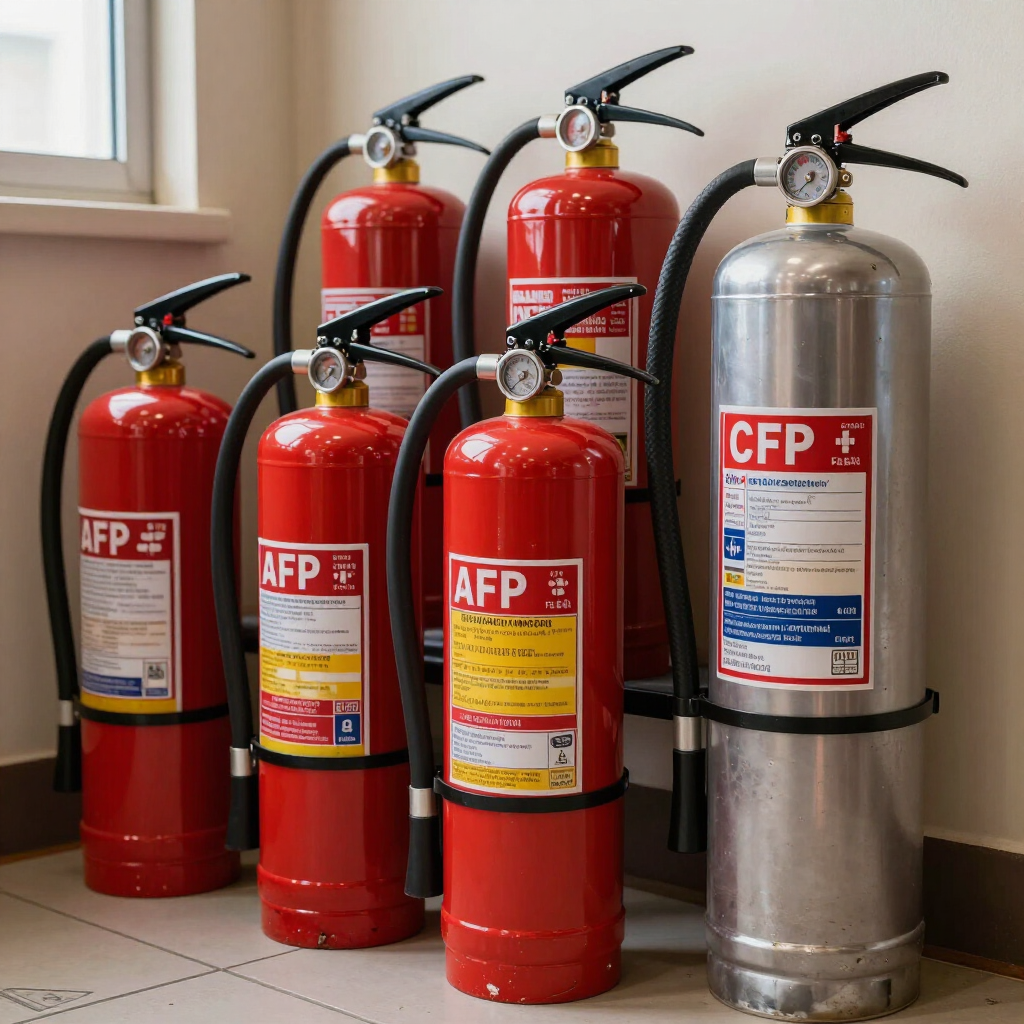
Annual vs. Monthly Fire Extinguisher Inspections: What’s the Difference?
Learn the difference between monthly and annual fire extinguisher inspections
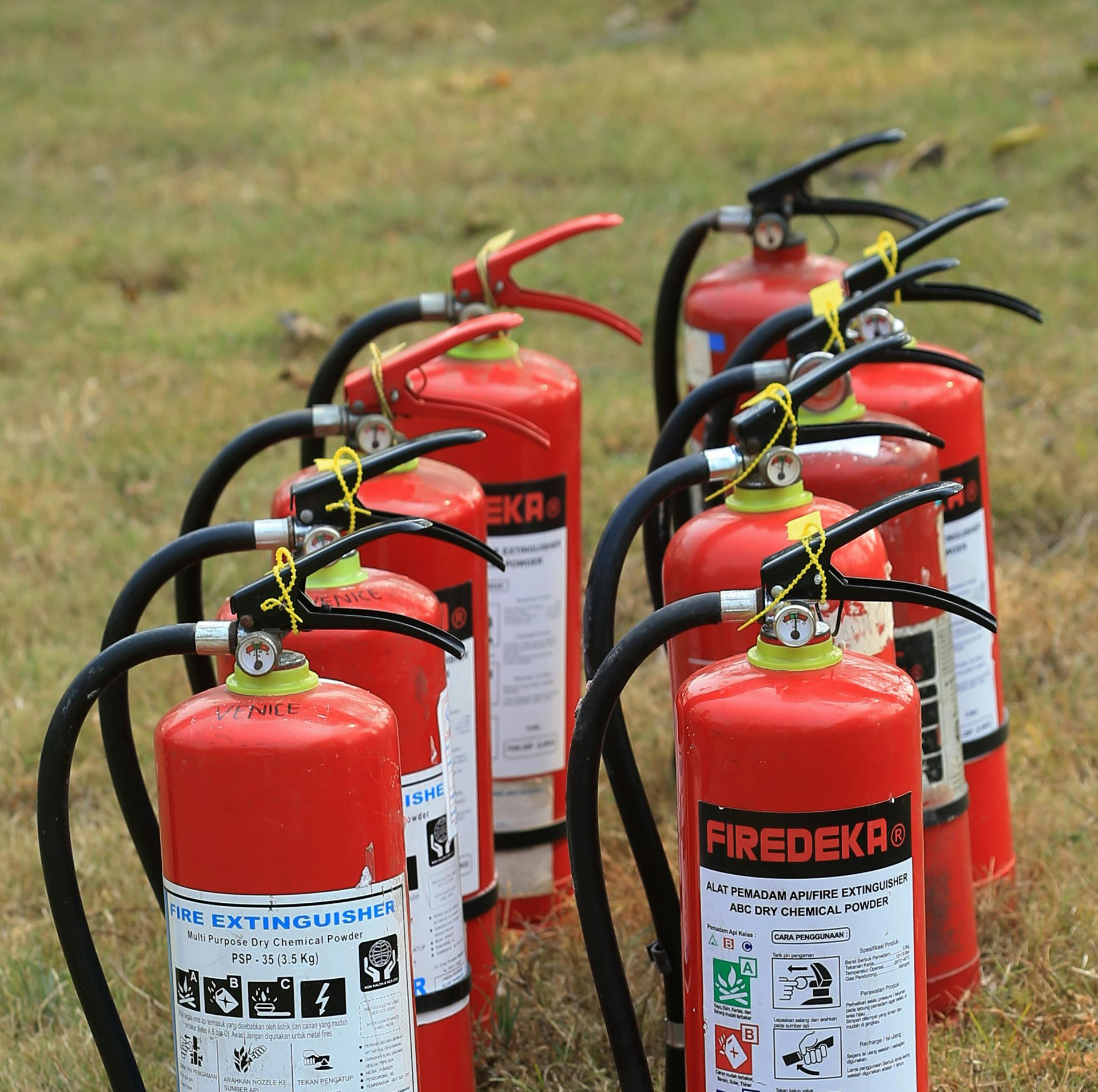
Fire extinguisher inspections are a required part of operating a compliant business in Texas, yet many business owners are unsure how often inspections are required or what each inspection actually involves. One of the most common points of confusion is the difference between
monthly fire extinguisher inspections and annual fire extinguisher inspections.
Both inspection types are required under Texas fire codes, and each serves a specific purpose. Monthly inspections provide regular visual oversight, while annual inspections involve professional servicing to confirm that extinguishers are mechanically sound and code-compliant. Missing either inspection can lead to fire code violations, failed fire marshal inspections, and unnecessary risk.
This guide explains how monthly and annual fire extinguisher inspections differ, who is responsible for each, and why Texas businesses must maintain both to stay compliant.
Why Fire Extinguisher Inspections Are Required in Texas
Fire extinguishers are considered essential life safety equipment. They are designed to control small fires before they grow into emergencies that threaten lives and property. However, fire extinguishers are only effective if they are accessible, properly maintained, and fully operational.
Fire extinguisher inspection requirements in Texas are based on standards developed by the National Fire Protection Association, specifically NFPA 10. These standards are adopted and enforced at the state and local level under the authority of the Texas State Fire Marshal’s Office.
Local fire marshals use these standards when inspecting commercial properties across Texas, including Dallas, Collin, Denton, Tarrant, and Ellis Counties.
What Is a Monthly Fire Extinguisher Inspection?
Purpose of Monthly Inspections
Monthly inspections are intended to ensure that fire extinguishers remain present, accessible, and visibly ready for use at all times. Because conditions in a workplace can change frequently, these inspections provide regular oversight between professional service visits.
Who Is Responsible for Monthly Inspections?
Monthly inspections do not require a licensed technician. They may be performed by:
- A business owner
- A property manager
- A designated employee
Although these inspections are simple, they must still be completed correctly and consistently.
What Is Checked During a Monthly Inspection?
A proper monthly inspection involves confirming that:
- The extinguisher is located in its assigned position
- Access is not blocked by equipment, furniture, or inventory
- The pressure gauge reads within the operable range
- The safety pin is intact and sealed
- The extinguisher shows no obvious signs of damage, corrosion, or leakage
Monthly inspections are visual only and do not involve disassembly or internal testing.
Monthly Documentation Requirements
Each extinguisher must include documentation showing:
- The date of the inspection
- The initials or name of the person who performed it
Fire marshals frequently cite businesses for missing or incomplete monthly inspection records, even when extinguishers appear to be in good condition.
What Is an Annual Fire Extinguisher Inspection?
Purpose of Annual Inspections
Annual inspections are designed to verify that fire extinguishers are mechanically functional, properly pressurized, and compliant with current fire codes. These inspections go beyond visual checks and help identify issues that cannot be seen during monthly inspections.
Who Performs Annual Inspections?
Annual inspections must be completed by a trained and qualified fire extinguisher technician. These inspections require technical expertise, specialized tools, and knowledge of applicable fire safety standards.
What Happens During an Annual Inspection?
During an annual inspection, a technician will typically:
- Examine the extinguisher cylinder for damage or corrosion
- Verify internal pressure or weight
- Inspect the hose, nozzle, and valve assembly
- Check for leaks or mechanical defects
- Confirm the extinguisher type is appropriate for the hazard
- Verify proper mounting height and placement
- Update inspection tags and service records
If an extinguisher does not meet inspection standards, it may require recharging, repair, or replacement.
Key Differences Between Monthly and Annual Inspections
Inspection Scope
- Monthly inspections focus on visible, external conditions
- Annual inspections involve hands-on evaluation and servicing
Responsibility
- Monthly inspections may be performed by on-site personnel
- Annual inspections must be completed by a licensed professional
Frequency
- Monthly inspections occur every 30 days
- Annual inspections occur once every 12 months
Documentation
- Monthly inspections require basic logging
- Annual inspections require official service tags and records
Both forms of documentation are reviewed during fire marshal inspections.
Why Texas Requires Both Inspection Types
Monthly and annual inspections are not interchangeable. Each addresses different risks.
Monthly inspections help identify:
- Missing extinguishers
- Blocked access
- Broken safety seals
- Low pressure readings
Annual inspections detect issues such as:
- Internal pressure loss
- Mechanical failure
- Corrosion not visible externally
- Changes in code requirements
Skipping either inspection creates gaps that increase safety risks and compliance exposure.
How Fire Marshals Review Inspection Compliance
When inspecting a business, a fire marshal will typically:
- Verify extinguishers are present and accessible
- Review monthly inspection documentation
- Check annual inspection tags and service dates
- Confirm placement and extinguisher type
A business may receive a citation for missing monthly records or expired annual inspections, even if the extinguisher itself appears functional.
Common Misconceptions About Fire Extinguisher Inspections
Many violations occur due to misunderstandings, including:
- Believing annual inspections replace monthly checks
- Assuming new extinguishers do not require inspection
- Thinking inspections only matter right before an inspection
- Not realizing documentation must be maintained year-round
Education and routine service help prevent these issues.
How Different Business Types Are Affected
Office Buildings
Typically have fewer extinguishers but must still maintain monthly and annual inspections.
Restaurants and Commercial Kitchens
Often require specialized extinguisher types and face stricter inspection scrutiny due to higher fire risk.
Warehouses and Industrial Facilities
May have larger numbers of extinguishers, longer travel distances, and higher inspection frequency.
Regardless of industry, inspection requirements apply consistently.
The Role of Professional Fire Extinguisher Service Providers
Professional service providers help businesses by:
- Managing annual inspection schedules
- Maintaining accurate service records
- Identifying compliance issues early
- Ensuring extinguishers meet current code requirements
This support reduces the likelihood of violations and improves safety readiness.
Supporting Compliance Across North Texas
AllStar Fire Extinguisher Service has worked with businesses throughout Dallas, Collin, Denton, Tarrant, and Ellis Counties since 2010. By providing inspections, maintenance, hydrostatic testing, training, and installations, AllStar helps businesses meet both monthly and annual inspection requirements with confidence and consistency.
Final Thoughts
Monthly and annual fire extinguisher inspections serve different but equally important purposes. Monthly inspections provide routine oversight, while annual inspections ensure extinguishers are mechanically reliable and code-compliant.
Texas businesses that understand and maintain both inspection types are better prepared for emergencies, more likely to pass fire marshal inspections, and less exposed to avoidable violations.
Recent Posts