The Cost of Fire Extinguisher Inspections in North Texas: What to Expect
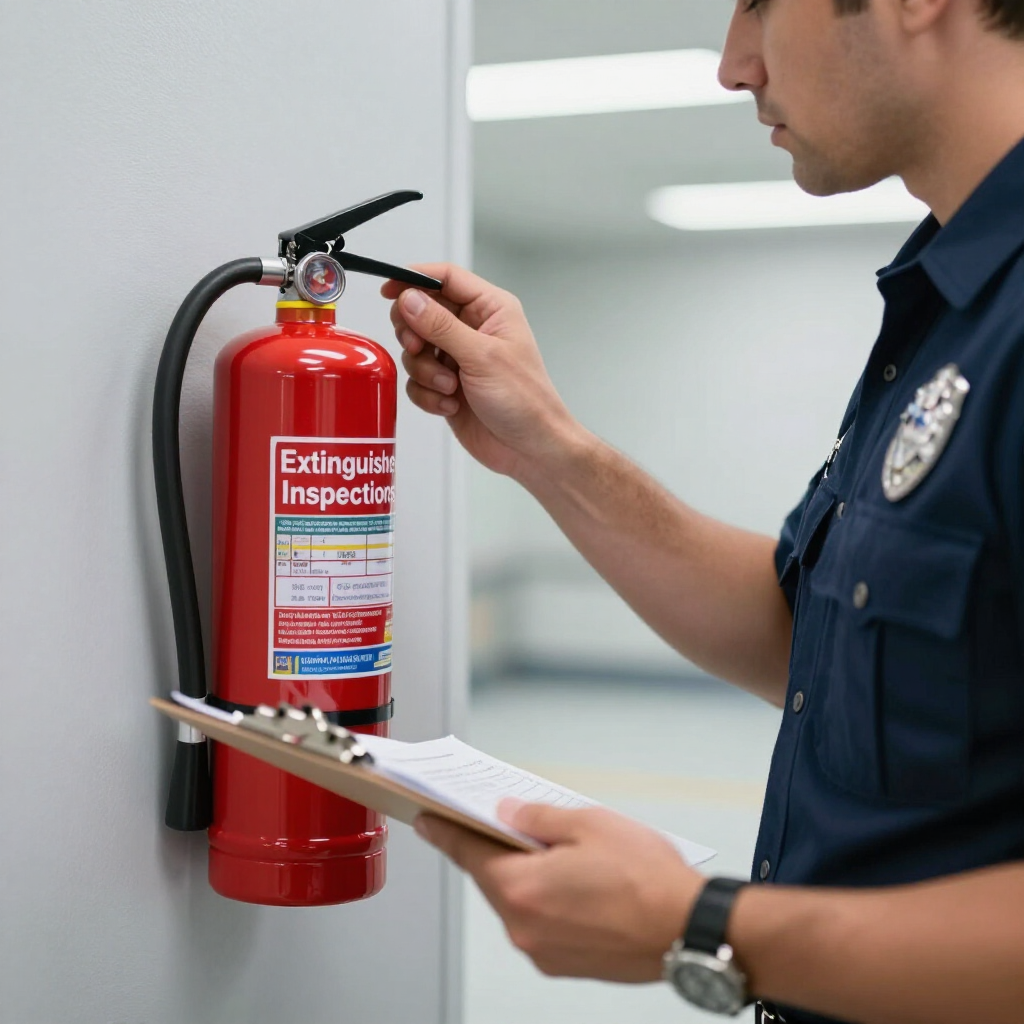
One of the most common questions Texas business owners ask is, “How much do fire extinguisher inspections cost?” The answer depends on several factors, including the number of extinguishers, inspection type, extinguisher size, and the level of service required. While inspections are a required part of fire code compliance, many businesses are unsure what they should expect to pay or what services are included in the cost.
Fire extinguisher inspections are not just an administrative requirement—they are a safety measure designed to ensure extinguishers function properly during emergencies. Understanding inspection costs helps business owners budget accurately, avoid surprise expenses, and make informed decisions when choosing a service provider.
This guide breaks down fire extinguisher inspection costs in North Texas, explains what influences pricing, and clarifies the difference between monthly, annual, and additional inspection-related services.
Who Regulates Fire Extinguisher Inspections in Texas?
Fire extinguisher inspection requirements in Texas are enforced locally but based on national safety standards.
The
Texas State Fire Marshal’s Office adopts fire safety regulations statewide, while local fire marshals conduct inspections and enforce compliance. These requirements are based largely on standards from the
National Fire Protection Association, specifically NFPA 10.
Inspection costs are influenced by these standards because they determine inspection frequency, documentation requirements, and service scope.
Types of Fire Extinguisher Inspections and Their Costs
Understanding inspection costs starts with understanding
which inspections are required and how often they occur.
Monthly Fire Extinguisher Inspections
Are Monthly Inspections a Paid Service?
Monthly inspections are visual checks that can be performed by business staff, property managers, or building owners. Because these inspections do not require a licensed technician, many businesses handle them internally at no direct cost.
However, some businesses choose to outsource monthly inspections for consistency and documentation accuracy. When outsourced, monthly inspections may involve a recurring service fee.
Typical Cost Range (If Outsourced)
- Per-extinguisher pricing
- Often bundled with annual inspections
- Cost varies by provider and number of extinguishers
Businesses with multiple locations or high turnover staff often find outsourcing monthly inspections more reliable.
Annual Fire Extinguisher Inspections
What Is Included in an Annual Inspection?
Annual inspections must be performed by a licensed fire extinguisher technician and typically include:
- Hands-on mechanical inspection
- Pressure or weight verification
- Hose, nozzle, and valve inspection
- Placement and mounting verification
- Inspection tag updates and documentation
Typical Cost Range for Annual Inspections
In North Texas, annual fire extinguisher inspection costs typically depend on:
- Number of extinguishers
- Extinguisher size and type
- Location and accessibility
Pricing is often structured as:
- A per-extinguisher fee
- A minimum service charge for small sites
Larger facilities often benefit from volume pricing.
Factors That Affect Fire Extinguisher Inspection Costs
Fire extinguisher inspection pricing is not one-size-fits-all. Several factors influence the final cost.
Number of Fire Extinguishers
The total number of extinguishers is one of the most significant cost factors. Businesses with a single extinguisher will often pay a minimum service fee, while those with dozens of extinguishers may receive reduced per-unit pricing.
Type and Size of Fire Extinguishers
Different extinguisher types require different levels of inspection effort.
Common cost influencers include:
- Standard ABC extinguishers
- Class K extinguishers for commercial kitchens
- CO₂ extinguishers
- Larger capacity extinguishers
CO₂ and specialized extinguishers may cost more to inspect due to higher pressure requirements or additional handling.
Accessibility and Site Conditions
Inspection costs may increase if:
- Extinguishers are difficult to access
- Equipment must be moved to reach extinguishers
- The site has limited access hours
Clear access helps keep inspection costs predictable.
Multi-Location or Large Facilities
Businesses with multiple locations across Dallas, Collin, Denton, Tarrant, or Ellis Counties may benefit from consolidated scheduling and pricing. Managing multiple sites through one provider often reduces administrative and per-location costs.
Additional Services That May Affect Cost
Inspection pricing may change if additional services are required during the visit.
Fire Extinguisher Recharge or Replacement
If an extinguisher fails inspection, additional costs may include:
- Recharging discharged extinguishers
- Replacing damaged or expired units
- Upgrading incorrect extinguisher types
These costs vary based on extinguisher type and condition.
Hydrostatic Testing
Hydrostatic testing is not part of an annual inspection but is required at specific intervals. If an extinguisher is due for testing, costs may include:
- Testing fees
- Temporary replacement units
- Recharging after testing
Failing to budget for hydrostatic testing can result in unexpected expenses.
Exit and Emergency Sign Inspections
Many businesses bundle extinguisher inspections with exit sign and emergency lighting services. While this increases the service scope, bundling often reduces overall cost compared to hiring multiple vendors.
Why Inspection Costs Vary Between Providers
Fire extinguisher inspection costs can vary based on:
- Technician experience
- Service area coverage
- Documentation practices
- Scheduling flexibility
Lower pricing may not always include comprehensive documentation or compliance support, which can lead to issues during fire marshal inspections.
The Cost of Non-Compliance
Failing to maintain proper inspections can cost far more than inspection services themselves.
Potential costs of non-compliance include:
- Fire code violation fines
- Re-inspection fees
- Delays in occupancy permits
- Business interruptions
- Increased liability exposure
Inspection costs are a predictable expense, while violations are not.
Budgeting for Fire Extinguisher Inspections
Businesses that budget effectively typically:
- Schedule inspections annually
- Track hydrostatic testing dates
- Consolidate services with one provider
- Maintain organized documentation
This approach reduces last-minute expenses and compliance stress.
Choosing a Provider Based on Value, Not Just Price
When evaluating inspection costs, businesses should consider:
- Accuracy of documentation
- Familiarity with local fire marshals
- Reliability of scheduling
- Ability to handle repairs and replacements
A slightly higher inspection cost may provide better long-term value if it reduces violations and re-inspections.
Supporting Inspection Services Across North Texas
AllStar Fire Extinguisher Service has supported businesses across Dallas, Collin, Denton, Tarrant, and Ellis Counties since 2010. By providing inspections, maintenance, hydrostatic testing, exit and emergency signage, and training, AllStar helps businesses manage inspection costs while maintaining consistent compliance.
Final Thoughts
Fire extinguisher inspection costs in North Texas depend on several factors, but they are a necessary and manageable part of operating a compliant business. Understanding what influences pricing helps business owners budget effectively and avoid surprises.
By maintaining regular inspections, addressing issues early, and working with a knowledgeable local provider, businesses can control costs, reduce risk, and stay prepared for fire marshal inspections year-round.
Recent Posts