Fire Extinguisher Sales, Inspections, and Training: One Vendor vs. Multiple
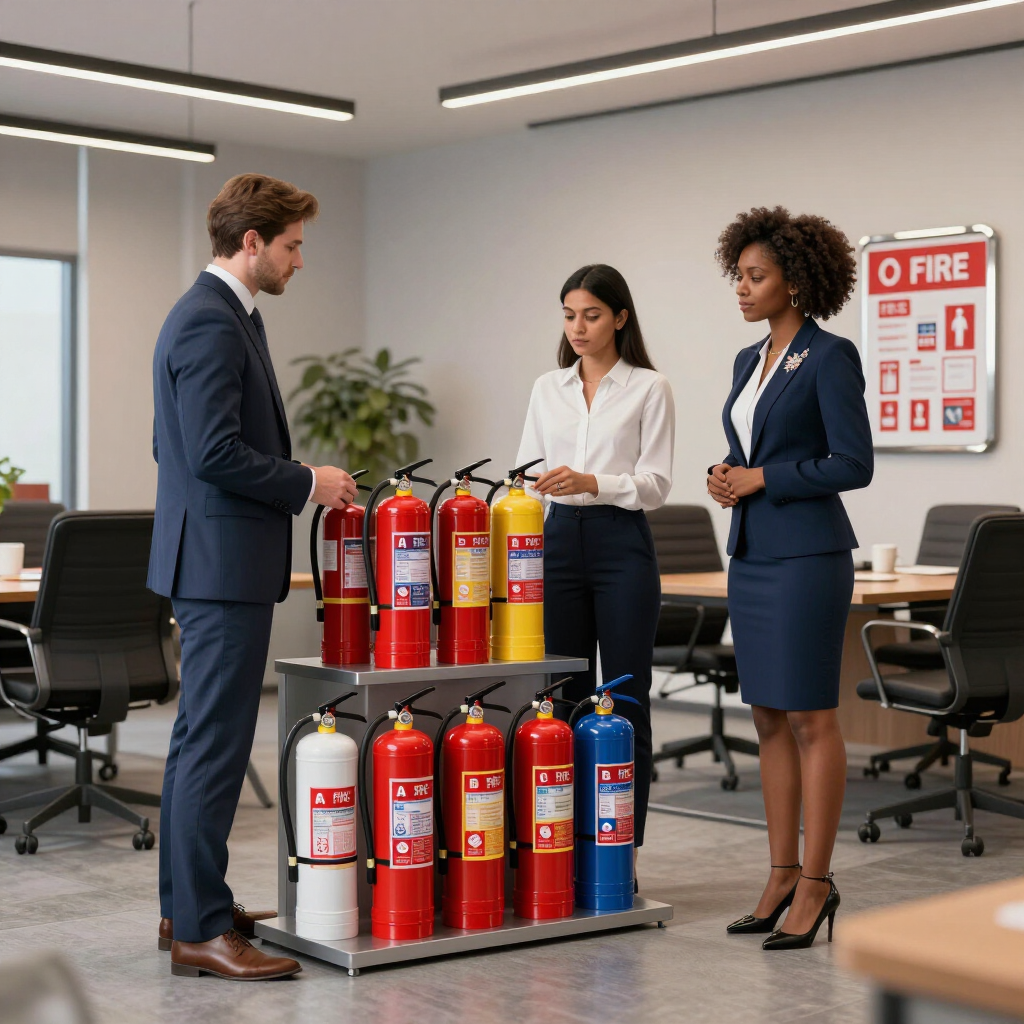
Businesses that rely on fire extinguishers for compliance and safety often face an important operational decision: should they use one fire protection vendor for sales, inspections, maintenance, and training, or should they spread those services across multiple vendors?
At first glance, using multiple vendors may seem flexible or cost-effective. However, many Texas businesses discover that managing multiple providers can lead to gaps in compliance, inconsistent documentation, and increased administrative burden. Fire safety services are closely interconnected, and dividing responsibility across vendors can create confusion—especially during fire marshal inspections.
This guide examines the differences between using one vendor versus multiple vendors for fire extinguisher services, outlines the pros and cons of each approach, and explains why many North Texas businesses choose a single-provider model.
Why Vendor Structure Matters for Fire Safety Compliance
Fire extinguisher compliance is not limited to one-time purchases or annual visits. It involves:
- Equipment selection and installation
- Monthly and annual inspections
- Maintenance and recharging
- Hydrostatic testing
- Training and documentation
- Ongoing compliance with fire codes
These elements are regulated under standards from the National Fire Protection Association and enforced in Texas by local fire marshals under the Texas State Fire Marshal’s Office.
Because all these components are evaluated together during inspections, vendor coordination matters.
Using One Vendor for Fire Extinguisher Services
What a Single-Vendor Model Looks Like
In a single-vendor model, one fire protection company handles:
- Fire extinguisher sales and installation
- Annual inspections and tagging
- Maintenance and recharging
- Hydrostatic testing coordination
- Employee fire extinguisher training
- Exit and emergency signage (when applicable)
This provider maintains centralized records and manages service schedules.
Advantages of Using One Vendor
Centralized Compliance Management
One of the biggest benefits of a single vendor is centralized compliance. All service records, inspection tags, and documentation come from one source, making it easier to:
- Track inspection dates
- Verify hydrostatic testing schedules
- Prepare for fire marshal inspections
When documentation is consistent, inspections typically go more smoothly.
Reduced Risk of Missed Requirements
Fire safety requirements overlap. For example:
- A new extinguisher installation affects inspection schedules
- Maintenance issues may trigger replacement or recharging
- Training expectations may align with extinguisher placement
A single provider understands how these elements interact and can identify issues before they become violations.
Consistent Equipment and Standards
Using one vendor helps ensure:
- Consistent extinguisher brands and types
- Uniform placement and mounting practices
- Standardized inspection tags and logs
This consistency is especially valuable for businesses with multiple locations.
Simplified Scheduling
Coordinating multiple vendors often requires juggling schedules, access times, and documentation. A single provider can bundle services into fewer visits, reducing disruption and administrative work.
Clear Accountability
When one vendor manages services, accountability is clear. If an issue arises during an inspection, there is no confusion about who handled which component.
Using Multiple Vendors for Fire Extinguisher Services
How a Multi-Vendor Model Works
In a multi-vendor approach, a business may use:
- One company for extinguisher sales
- Another for annual inspections
- A third for training
- A separate contractor for signage or emergency lighting
Each provider operates independently, with separate records and schedules.
Challenges of Using Multiple Vendors
Fragmented Documentation
Fire marshals expect documentation to be clear and complete. When records come from multiple vendors, issues often include:
- Inconsistent inspection tags
- Missing service history
- Conflicting documentation dates
This can raise red flags during inspections.
Gaps in Responsibility
When multiple vendors are involved, it’s not always clear who is responsible for:
- Identifying expired equipment
- Tracking hydrostatic testing
- Ensuring proper extinguisher placement
- Updating documentation after changes
These gaps can result in violations even when services are being performed.
Increased Administrative Burden
Managing multiple vendors requires:
- Separate contracts
- Multiple points of contact
- Coordinating service visits
- Tracking different invoices and schedules
For property managers and multi-location businesses, this can become time-consuming.
Higher Risk During Fire Marshal Inspections
Fire marshal inspections evaluate the entire fire safety program—not individual services. If one vendor handles inspections and another handles installations, inconsistencies may appear that lead to citations.
Cost Comparison: One Vendor vs Multiple Vendors
Perceived Cost Savings
Some businesses choose multiple vendors to reduce individual service costs. However, perceived savings may be offset by:
- Duplicate service visits
- Re-inspection fees due to missed issues
- Emergency corrections before inspections
Lower upfront costs do not always translate to lower long-term expenses.
Value-Based Cost Considerations
A single vendor may offer bundled pricing that includes:
- Inspections
- Maintenance
- Documentation management
- Compliance support
This often provides better overall value, even if individual service prices appear higher.
How Vendor Choice Impacts Training and Safety Culture
Fire extinguisher training is most effective when aligned with actual equipment and layout.
Using one vendor allows training to be tailored to:
- The exact extinguisher types on-site
- Placement locations
- Specific workplace hazards
With multiple vendors, training may be generic or disconnected from the equipment installed.
Vendor Choice for Multi-Location Businesses
Businesses operating across Dallas, Collin, Denton, Tarrant, and Ellis Counties face added complexity.
A single vendor can:
- Standardize compliance across locations
- Maintain centralized records
- Schedule inspections efficiently
- Ensure consistent service quality
Multi-vendor models often increase inconsistency across locations.
What Fire Marshals Expect to See
During inspections, fire marshals look for:
- Clear, current inspection tags
- Consistent documentation
- Proper placement and extinguisher types
- Evidence of maintenance and testing
- Defined safety responsibilities
A single-vendor model often aligns more closely with these expectations.
When Multiple Vendors Might Make Sense
In limited cases, multiple vendors may be appropriate, such as:
- Very large facilities with specialized systems
- Temporary projects or phased construction
- Unique equipment requiring niche expertise
Even in these cases, strong coordination is essential.
Choosing the Right Vendor Model for Your Business
When deciding between one vendor or multiple vendors, businesses should consider:
- Size and complexity of the facility
- Number of locations
- Internal administrative capacity
- Inspection history
- Risk tolerance
Most small to mid-sized businesses benefit from a single-vendor approach.
Supporting Full-Service Fire Protection Across North Texas
AllStar Fire Extinguisher Service has supported businesses across Dallas, Collin, Denton, Tarrant, and Ellis Counties since 2010. By providing fire extinguisher sales, installations, inspections, maintenance, hydrostatic testing, exit and emergency signage, and training classes, AllStar helps businesses simplify compliance by working with one reliable provider.
Final Thoughts
Fire extinguisher compliance is not just about equipment—it’s about coordination, documentation, and consistency. While using multiple vendors may appear flexible, it often introduces unnecessary complexity and risk.
For many Texas businesses, working with one full-service fire protection provider simplifies compliance, reduces administrative burden, and improves inspection outcomes. By centralizing responsibility, businesses gain clarity, consistency, and confidence in their fire safety programs.
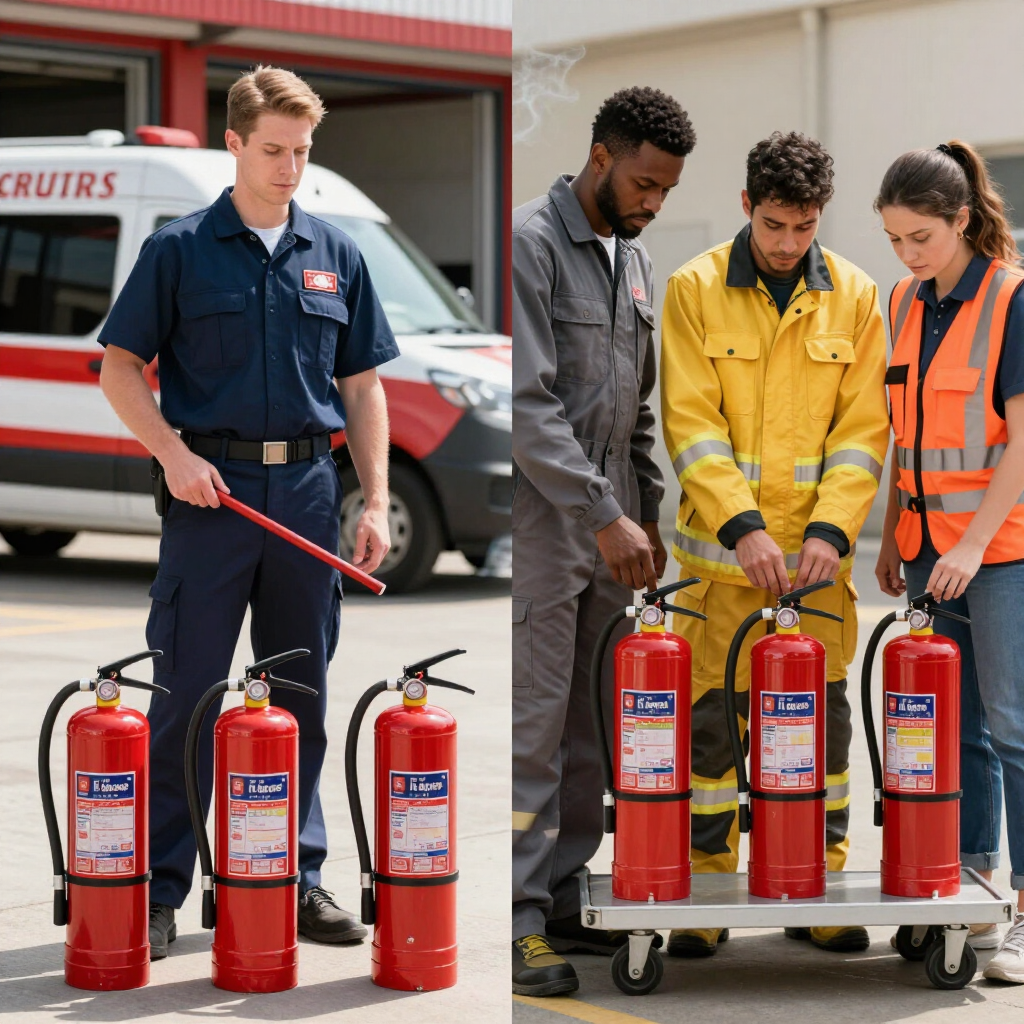
one Vendor:
Multiple Vendor:
Recent Posts