How to Choose the Right Fire Extinguisher for Your Business: A Complete Guide
A Complete Guide to Selecting the Best Fire Extinguisher for Your Business
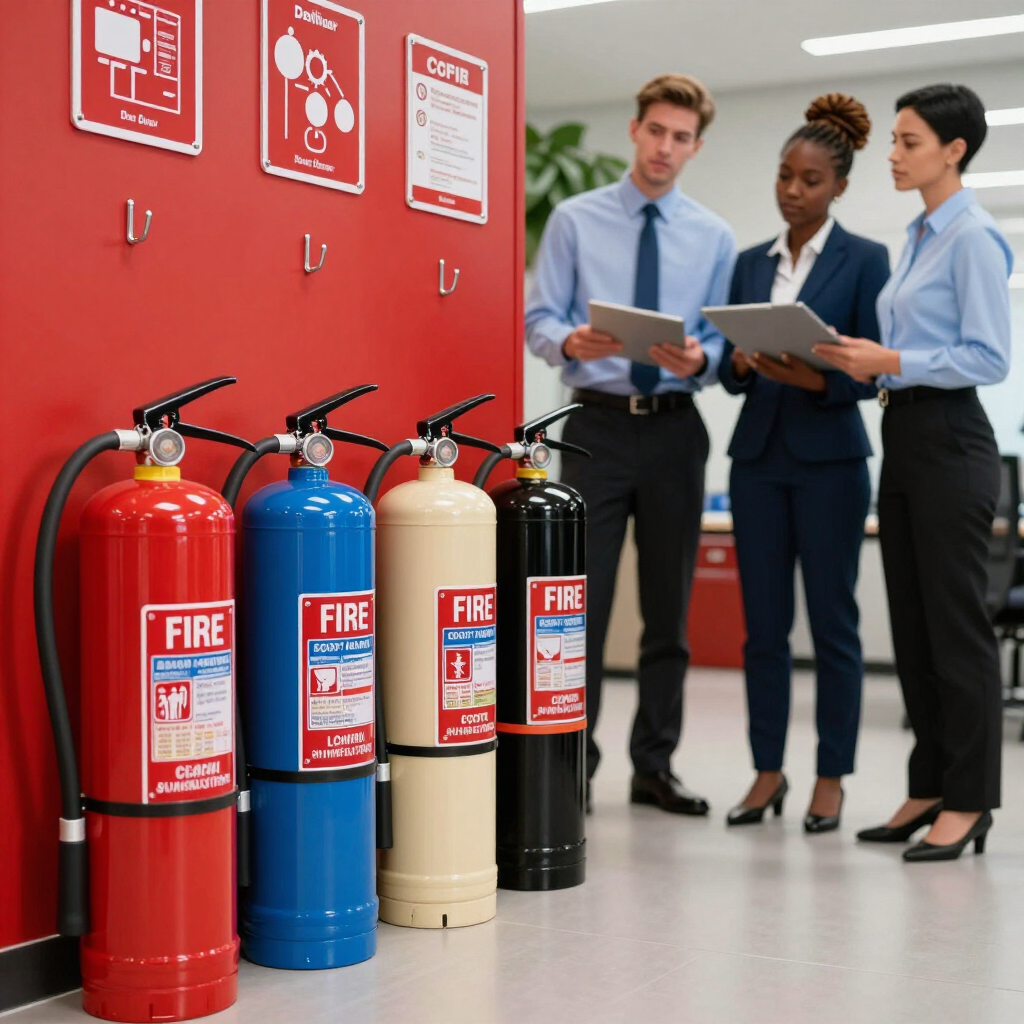
Choosing the right fire extinguisher is one of the most important decisions a business owner can make when developing a fire safety plan. While it may seem like all fire extinguishers perform the same function, different extinguishers are designed to combat different types of fires. Installing the wrong extinguisher can be ineffective in an emergency and may even make a fire worse.
For businesses across North Texas—including Dallas County, Collin County, Denton County, Tarrant County, and Ellis County—proper extinguisher selection is also a matter of compliance. Fire marshals inspect commercial properties to ensure the correct extinguishers are installed based on the hazards present in each area of the building. Choosing the wrong type can result in violations, failed inspections, and increased liability.
Whether you're opening a new business, renovating an existing facility, or replacing older equipment, understanding how to select the right fire extinguisher helps protect employees, customers, property, and your investment.
This guide explains the different classes of fire extinguishers, where each type should be installed, and the factors every business owner should consider before purchasing fire protection equipment.
Why Choosing the Correct Fire Extinguisher Matters
Portable fire extinguishers are intended to control small fires before they spread. However, an extinguisher is only effective if it matches the type of fire involved.
Using an incorrect extinguisher may:
- Fail to extinguish the fire
- Spread burning liquids
- Increase the risk of electrical shock
- Cause additional property damage
- Place employees in greater danger
Proper extinguisher selection ensures employees have the right equipment available if a small, controllable fire occurs.
Who Determines Fire Extinguisher Requirements?
Commercial fire extinguisher requirements are based on nationally recognized fire safety standards.
The National Fire Protection Association publishes NFPA 10, the Standard for Portable Fire Extinguishers, which provides guidance on extinguisher selection, placement, inspection, and maintenance.
These standards are adopted and enforced in Texas under the authority of the Texas State Fire Marshal’s Office, with local fire marshals conducting inspections throughout Dallas–Fort Worth and surrounding communities.
Understanding the Different Classes of Fire
The first step in choosing the correct extinguisher is understanding the different classes of fire.
Class A Fires
Class A fires involve ordinary combustible materials such as:
- Paper
- Cardboard
- Wood
- Cloth
- Trash
- Some plastics
These are among the most common fires in offices, schools, retail stores, and commercial buildings.
Class B Fires
Class B fires involve flammable liquids and gases, including:
- Gasoline
- Oil
- Paint
- Solvents
- Diesel fuel
- Propane
Businesses that store or use flammable liquids require extinguishers rated for Class B fires.
Class C Fires
Class C fires involve energized electrical equipment such as:
- Computers
- Electrical panels
- Machinery
- Circuit breakers
- Office equipment
- Servers
Because electricity is involved, extinguishers must use agents that will not conduct electricity.
Class D Fires
Class D fires involve combustible metals such as:
- Magnesium
- Titanium
- Sodium
- Lithium
- Aluminum powders
These fires are uncommon in most commercial buildings but may occur in specialized manufacturing facilities, laboratories, and metal processing plants.
Class K Fires
Class K fires involve cooking oils and grease commonly found in:
- Restaurants
- Commercial kitchens
- Cafeterias
- Food trucks
- Institutional kitchens
Grease fires require specialized extinguishing agents designed specifically for cooking equipment.
The Most Common Fire Extinguisher Types
Understanding extinguisher classifications helps businesses choose the correct equipment.
ABC Dry Chemical Extinguishers
ABC extinguishers are the most commonly installed commercial extinguishers.
They are designed for:
- Ordinary combustibles
- Flammable liquids
- Electrical equipment
Because they cover multiple hazards, ABC extinguishers are appropriate for many office buildings, retail spaces, warehouses, schools, and healthcare facilities.
Carbon Dioxide (CO₂) Extinguishers
CO₂ extinguishers are commonly used around sensitive electrical equipment.
Advantages include:
- No powder residue
- Effective on electrical fires
- Safe for computer rooms
- Suitable for server rooms
These extinguishers are frequently installed in technology companies, medical facilities, and electrical control rooms.
Water Fire Extinguishers
Water extinguishers are designed only for Class A fires.
They are suitable in locations where combustible materials are the primary hazard but should never be used on electrical equipment or flammable liquids.
Class K Fire Extinguishers
Commercial kitchens require Class K extinguishers because they are specifically designed to suppress cooking oil and grease fires.
Restaurants throughout North Texas are commonly required to install Class K extinguishers near commercial cooking equipment.
Choosing Fire Extinguishers by Business Type
Every business has unique fire risks.
Office Buildings
Office environments typically require:
- ABC extinguishers
- Coverage near exits
- Protection for electrical equipment
- Easily accessible locations
Most office buildings have relatively low fire hazards but still require code-compliant protection.
Restaurants
Restaurants often require multiple extinguisher types.
These may include:
- Class K extinguishers in cooking areas
- ABC extinguishers in dining rooms
- Additional extinguishers in storage areas
- Coverage near exits
Commercial kitchens receive particular attention during fire marshal inspections.
Warehouses
Warehouse hazards vary based on inventory.
Businesses may require:
- ABC extinguishers
- Additional extinguishers near hazardous storage
- Protection around loading docks
- Equipment suitable for machinery areas
Travel distance and accessibility become especially important in large warehouse facilities.
Medical Facilities
Healthcare facilities often require extinguishers that protect:
- Electrical equipment
- Medical equipment
- Office spaces
- Storage rooms
Placement must also accommodate accessibility requirements and patient safety.
Retail Stores
Retail businesses generally require:
- ABC extinguishers
- Protection near stock rooms
- Coverage near exits
- Visible mounting locations
Retail layouts change frequently, making regular placement reviews important.
Factors That Affect Fire Extinguisher Selection
Selecting the proper extinguisher involves more than identifying fire classes.
Professionals also consider:
- Building size
- Occupancy type
- Number of floors
- Hazard classification
- Travel distance requirements
- Local fire code requirements
- Industry-specific risks
Every commercial property should be evaluated individually.
Common Mistakes Businesses Make
Fire marshals frequently identify preventable issues during inspections.
Common mistakes include:
- Purchasing extinguishers from retail stores without evaluating hazards
- Installing only one extinguisher throughout an entire building
- Using residential extinguishers in commercial properties
- Failing to install Class K extinguishers in kitchens
- Choosing extinguisher types based solely on price
- Ignoring placement and travel distance requirements
Professional guidance helps avoid these costly mistakes.
Why Professional Installation Is Important
Choosing the correct extinguisher is only part of compliance.
Proper installation also includes:
- Correct mounting height
- Appropriate wall brackets
- Required signage
- Compliance with travel distance requirements
- Proper documentation
Incorrect installation may result in fire code violations even if the extinguisher itself is appropriate.
Ongoing Maintenance After Installation
Once extinguishers are installed, businesses must continue maintaining them through:
- Monthly visual inspections
- Annual professional inspections
- Hydrostatic testing when required
- Recharging after use
- Replacement when necessary
Proper selection is only the beginning of a comprehensive fire protection program.
Why Working With a Local Fire Protection Company Makes a Difference
Fire safety requirements vary depending on occupancy type, local enforcement practices, and the hazards present within a building.
Working with an experienced local provider offers several advantages:
- Professional hazard assessments
- Recommendations based on current fire codes
- Proper extinguisher selection
- Code-compliant installation
- Ongoing inspections and maintenance
- Accurate service documentation
- Familiarity with local fire marshal expectations
For businesses operating in multiple cities across North Texas, having one knowledgeable provider can simplify compliance and ensure consistency from one location to the next.
Supporting Businesses Throughout North Texas
Since 2010, AllStar Fire Extinguisher Service has provided businesses throughout Dallas County, Collin County, Denton County, Tarrant County, and Ellis County with dependable fire protection services. From selecting the appropriate fire extinguishers for new construction projects to replacing outdated equipment in existing facilities, AllStar helps businesses make informed decisions that support safety and compliance.
Services include fire extinguisher sales, professional installation, monthly and annual inspections, hydrostatic testing, exit and emergency sign services, and employee fire extinguisher training. By working with a single local provider, businesses can simplify their fire protection program while ensuring equipment remains ready for use.
Frequently Asked Questions
Can one fire extinguisher protect against every type of fire?
No. While ABC extinguishers cover many common hazards, certain risks—such as commercial cooking grease fires or combustible metal fires—require specialized extinguishers.
Does every business need the same type of extinguisher?
No. Fire extinguisher requirements depend on the building's occupancy, the materials present, equipment used, and specific fire hazards.
Can I purchase fire extinguishers online for my business?
While commercial extinguishers are available through many retailers, having a professional evaluate your building helps ensure the equipment meets applicable fire code requirements and is installed correctly.
How many fire extinguishers does my business need?
The number depends on the size of the building, occupancy type, fire hazards, and maximum travel distance requirements established by fire codes.
Should fire extinguisher selection be reviewed during renovations?
Yes. Renovations, equipment changes, or changes in building use may require different extinguisher types or additional units to remain compliant.
Final Thoughts
Choosing the right fire extinguisher is about far more than checking a compliance box. The correct equipment provides employees with the ability to respond to small fires safely while supporting a comprehensive fire protection strategy for the entire business.
By understanding fire classifications, evaluating workplace hazards, and working with a knowledgeable fire protection provider, business owners can ensure they have the right equipment in the right locations before an emergency occurs. Proper extinguisher selection not only supports compliance with Texas fire codes but also helps create a safer environment for employees, customers, and visitors.
Recent Posts