How Fire Extinguisher Maintenance Protects Your Business From Fines
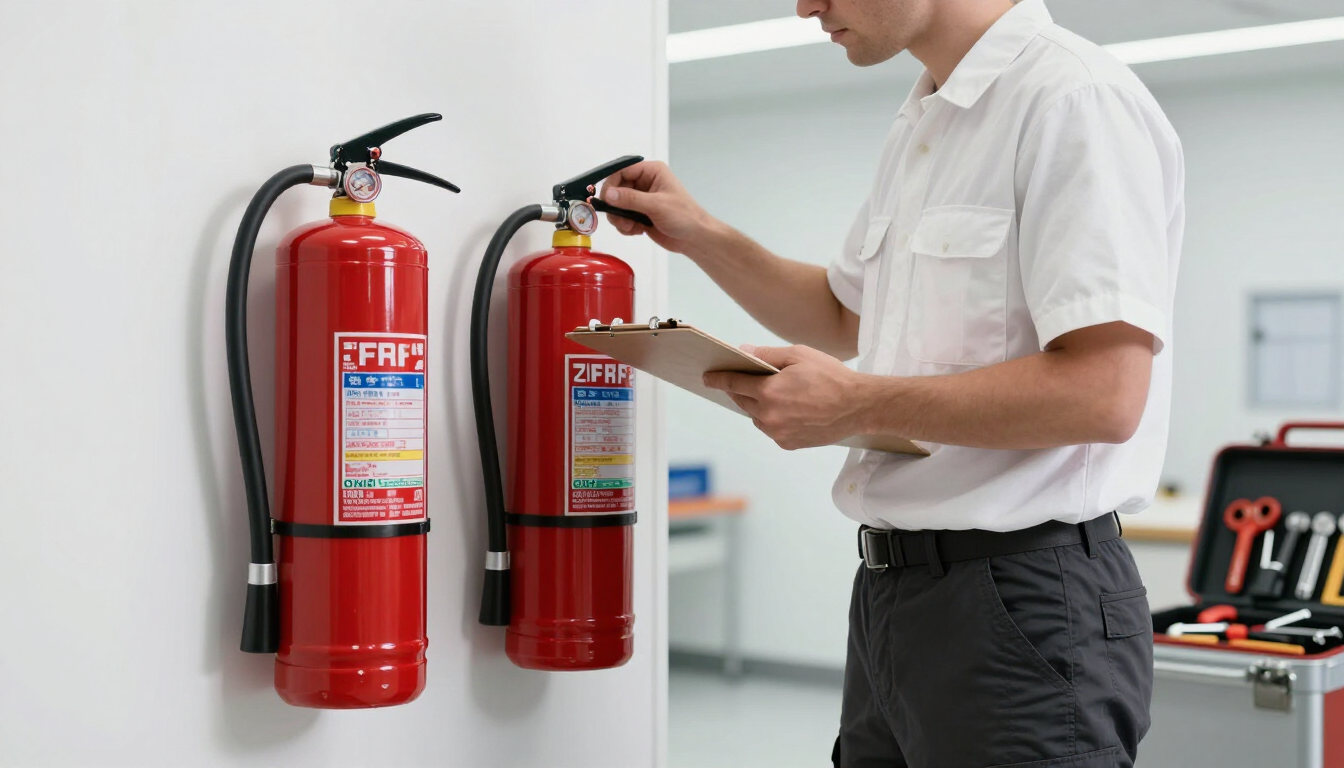
Fire extinguisher maintenance is one of the most effective—and often overlooked—ways Texas businesses protect themselves from costly fines and compliance issues. Many business owners focus on inspections alone, assuming that passing an annual check is enough. In reality, ongoing maintenance plays a critical role in fire code compliance, and neglected maintenance is a common reason businesses receive citations during fire marshal inspections.
Fire extinguishers are regulated life safety devices. When maintenance requirements are ignored or delayed, extinguishers may fail inspections, become unsafe to use, or violate fire codes. These issues can result in fines, re-inspection fees, delays in occupancy approvals, and increased liability.
This guide explains what fire extinguisher maintenance involves, how it differs from inspections, and how consistent maintenance helps protect North Texas businesses from fines and enforcement actions.
Who Regulates Fire Extinguisher Maintenance in Texas?
Fire extinguisher maintenance requirements in Texas are based on nationally recognized fire safety standards and enforced locally.
The National Fire Protection Association establishes maintenance requirements under NFPA 10, the Standard for Portable Fire Extinguishers. These standards are adopted and enforced throughout Texas under the authority of the Texas State Fire Marshal’s Office.
Local fire marshals in Dallas, Collin, Denton, Tarrant, and Ellis Counties use these standards when inspecting commercial properties and issuing violations.
What Is Fire Extinguisher Maintenance?
Fire extinguisher maintenance refers to the hands-on servicing, repair, and upkeep required to keep extinguishers in proper working condition throughout their service life. Maintenance goes beyond visual checks and includes corrective actions when extinguishers do not meet safety or code requirements.
Maintenance activities may include:
- Recharging extinguishers after use or inspection
- Replacing damaged or worn components
- Addressing pressure loss
- Correcting labeling or documentation issues
- Removing expired or non-compliant extinguishers
Without proper maintenance, even a recently inspected extinguisher can become non-compliant.
Maintenance vs. Inspections: Understanding the Difference
Many businesses confuse inspections with maintenance, but they serve different purposes.
Inspections
- Verify compliance at a point in time
- Identify issues or deficiencies
- Do not always correct problems
Maintenance
- Corrects identified deficiencies
- Restores extinguishers to compliant condition
- Ensures long-term reliability
Fire marshals expect both inspections and maintenance to be completed as required.
Common Maintenance Issues That Lead to Fines
Fire marshal inspections frequently uncover maintenance-related problems that result in citations.
Loss of Pressure
Over time, extinguishers can lose pressure due to leaks or seal degradation. Low-pressure extinguishers are considered non-functional and must be serviced or recharged.
Damaged or Missing Components
Issues such as broken handles, missing pins, damaged hoses, or cracked nozzles are common maintenance failures. These defects may not always be obvious without professional servicing.
Corrosion and Physical Damage
Corrosion weakens extinguisher cylinders and can make them unsafe. Fire marshals often cite extinguishers showing rust, dents, or other physical damage.
Expired or Obsolete Extinguishers
Some extinguishers reach the end of their service life or are no longer compliant with current codes. Continued use of expired units can result in immediate violations.
How Poor Maintenance Leads to Fines and Penalties
When maintenance issues are identified during an inspection, consequences may include:
- Written fire code violations
- Mandatory correction deadlines
- Re-inspection fees
- Fines or penalties
- Delays in permits or occupancy approvals
In some cases, businesses may be required to remove extinguishers from service immediately until corrections are made.
The Role of Documentation in Maintenance Compliance
Fire extinguisher maintenance must be properly documented. Fire marshals often review documentation as closely as the equipment itself.
Required documentation may include:
- Updated service tags
- Records of recharging or repairs
- Hydrostatic testing documentation
- Maintenance logs
Missing or inaccurate records can result in citations even if maintenance has been performed.
How Maintenance Helps Businesses Pass Fire Marshal Inspections
Consistent maintenance helps ensure that:
- Extinguishers are fully operational
- Deficiencies are corrected before inspections
- Documentation is current and accurate
- Equipment meets current code requirements
Businesses that maintain extinguishers proactively are far less likely to receive violations during inspections.
Maintenance Requirements for Different Types of Extinguishers
ABC Fire Extinguishers
Common in offices and retail spaces, ABC extinguishers require regular maintenance to address pressure loss, component wear, and aging.
Class K Fire Extinguishers
Used in commercial kitchens, Class K extinguishers require careful maintenance due to exposure to grease and heat.
Improper maintenance can result in serious violations.
CO₂ Fire Extinguishers
CO₂ extinguishers operate at high pressure and require strict maintenance and periodic hydrostatic testing. Fire marshals closely scrutinize these units.
Maintenance and Hydrostatic Testing
Hydrostatic testing is a specialized form of maintenance required at specific intervals. Extinguishers that fail hydrostatic testing must be removed from service and replaced.
Failing to track hydrostatic testing schedules is a common compliance issue that leads to fines during inspections.
How Regular Maintenance Reduces Long-Term Costs
While maintenance requires an upfront investment, it often reduces long-term expenses by:
- Preventing emergency replacements
- Reducing re-inspection fees
- Avoiding fines and penalties
- Extending extinguisher service life
Deferred maintenance often leads to higher costs later.
Maintenance Responsibilities for Business Owners
Texas fire codes place responsibility for fire extinguisher maintenance on the business owner or property manager. Even when using a service provider, businesses remain accountable for compliance.
This makes it essential to work with reliable professionals and maintain oversight of service schedules and records.
The Advantage of Working With a Professional Maintenance Provider
Professional fire protection providers help businesses by:
- Identifying maintenance needs early
- Performing required servicing correctly
- Maintaining accurate documentation
- Tracking inspection and testing schedules
This reduces the risk of overlooked issues and compliance gaps.
Supporting Maintenance Compliance Across North Texas
AllStar Fire Extinguisher Service has supported businesses across Dallas, Collin, Denton, Tarrant, and Ellis Counties since 2010. By providing inspections, maintenance, hydrostatic testing, and related fire protection services, AllStar helps businesses stay compliant, avoid fines, and maintain reliable fire safety equipment.
Final Thoughts
Fire extinguisher maintenance is a critical component of fire code compliance in Texas. Inspections alone are not enough—extinguishers must be properly maintained, serviced, and documented to meet fire marshal expectations.
Businesses that invest in routine maintenance are better protected from fines, more likely to pass inspections, and better prepared to respond to emergencies. Consistent maintenance not only supports compliance but also protects people, property, and operations.
Recent Posts