Fire Extinguisher Placement Rules for Offices, Warehouses, and Restaurants
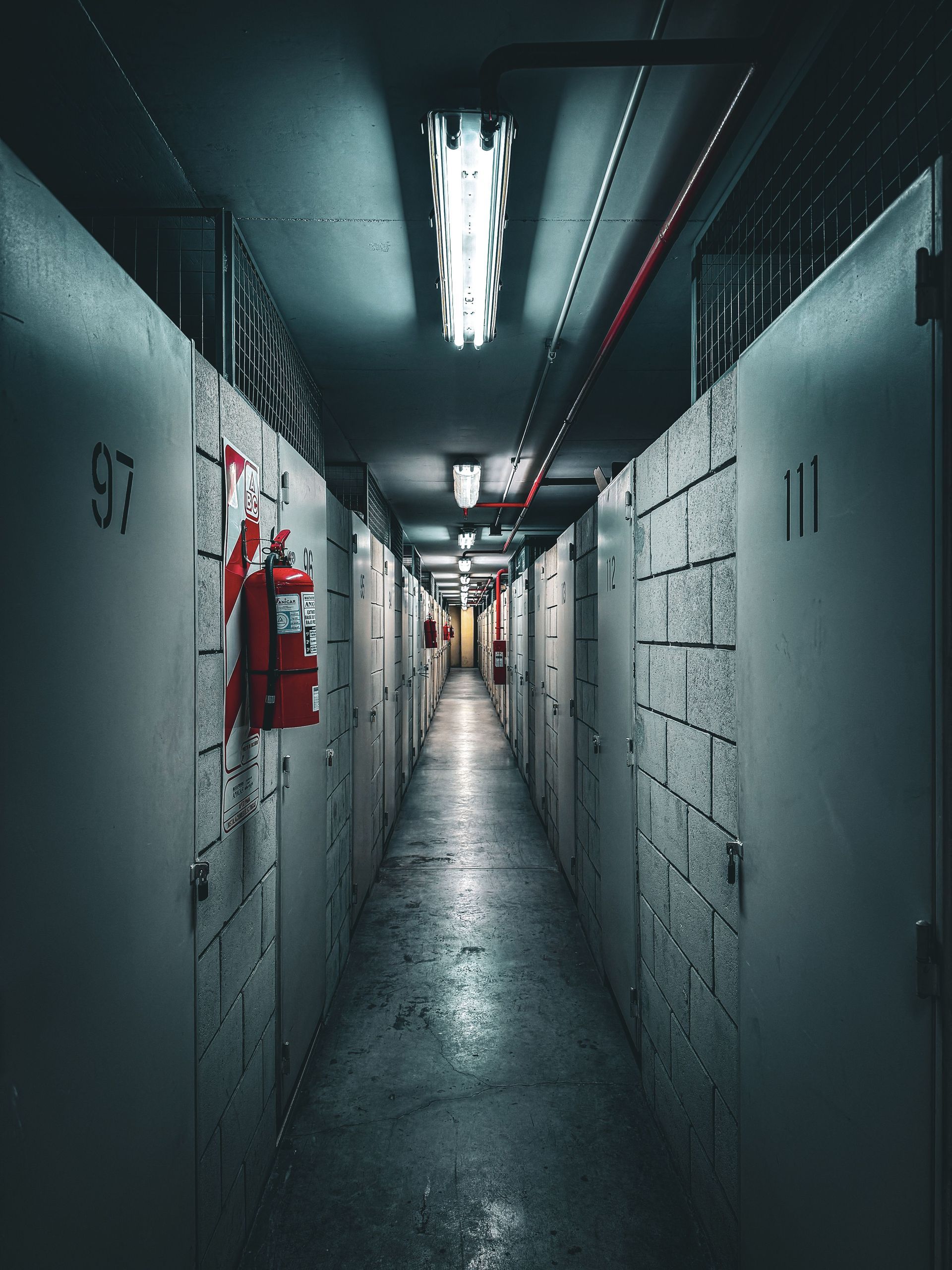
Fire extinguisher placement is one of the most common reasons Texas businesses fail fire marshal inspections. Even when extinguishers are properly inspected and fully functional, incorrect placement alone can result in a violation. Business owners often assume that simply having extinguishers on-site is enough, but fire codes require that extinguishers be
strategically located, properly mounted, clearly visible, and appropriate for the fire hazards present.
Placement rules vary depending on building layout, occupancy type, and fire risk. Offices, warehouses, and restaurants each face different hazards, which means placement requirements are not one-size-fits-all. Understanding these differences is essential for staying compliant and ensuring extinguishers can be accessed quickly during an emergency.
This guide explains fire extinguisher placement rules in Texas, with specific considerations for offices, warehouses, and restaurants.
Who Sets Fire Extinguisher Placement Rules in Texas?
Fire extinguisher placement requirements in Texas are based on nationally recognized safety standards and enforced locally.
The
National Fire Protection Association establishes placement rules under NFPA 10, the Standard for Portable Fire Extinguishers. These standards are adopted and enforced in Texas under the authority of the
Texas State Fire Marshal’s Office and local fire marshals.
Local inspectors across Dallas, Collin, Denton, Tarrant, and Ellis Counties use these standards when evaluating compliance.
General Fire Extinguisher Placement Rules
Before looking at specific building types, it’s important to understand the general placement rules that apply to all commercial properties.
Accessibility
Fire extinguishers must be:
- Readily accessible
- Unobstructed at all times
- Located along normal paths of travel
Blocked extinguishers are one of the most frequently cited violations.
Visibility
Extinguishers must be:
- Clearly visible
- Marked with signage if not immediately obvious
- Easy to identify during an emergency
If an extinguisher is hidden behind equipment, décor, or storage, signage is required.
Mounting Height
Fire extinguishers must be mounted at an appropriate height:
- The top of the extinguisher is generally no more than 5 feet above the floor
- Heavier extinguishers may require lower mounting heights
- Extinguishers must not be placed directly on the floor unless in an approved cabinet
Improper mounting height is a common inspection issue.
Travel Distance
Fire codes limit how far a person should have to travel to reach an extinguisher. Travel distance depends on:
- Occupancy type
- Fire hazard classification
- Type of extinguisher
Exceeding travel distance limits can result in violations even if extinguishers are otherwise compliant.
Fire Extinguisher Placement in Office Buildings
Common Fire Hazards in Offices
Office environments are typically considered
low fire hazard, but risks still exist due to:
- Electrical equipment
- Office furniture
- Paper and combustible materials
Placement Guidelines for Offices
In office buildings, extinguishers are commonly placed:
- Near exits
- In corridors and common areas
- Near electrical rooms or equipment areas
Extinguishers should not be placed so far inside a room that employees must move deeper into a fire to reach them.
Typical Extinguisher Types
Most offices use
ABC fire extinguishers, which are suitable for common combustibles, flammable liquids, and electrical fires.
Common Office Placement Mistakes
Fire marshals frequently cite offices for:
- Extinguishers hidden behind furniture
- Missing signage in long corridors
- Exceeding travel distance limits
- Improper mounting height
Regular walkthroughs help prevent these issues.
Fire Extinguisher Placement in Warehouses and Industrial Facilities
Increased Fire Risk in Warehouses
Warehouses and industrial facilities often present
higher fire hazards
due to:
- Large quantities of stored materials
- Combustible packaging
- Machinery and electrical systems
- Forklift traffic and physical impacts
As a result, placement requirements are typically more stringent.
Placement Considerations for Warehouses
In warehouses, extinguishers should be placed:
- Along primary travel routes
- Near exits and access doors
- Near areas with increased fire risk
- At appropriate intervals throughout large spaces
Fire marshals pay close attention to travel distances in large facilities.
Protecting Extinguishers From Damage
Because of equipment movement, warehouse extinguishers should be:
- Mounted securely
- Protected from impact
- Clearly marked and visible
Damaged or knocked-down extinguishers are common warehouse violations.
Extinguisher Types in Warehouses
Depending on stored materials, warehouses may require:
- ABC extinguishers
- Specialized extinguishers for flammable liquids or metals
Using the wrong extinguisher type can be a serious compliance issue.
Fire Extinguisher Placement in Restaurants and Commercial Kitchens
Unique Fire Hazards in Restaurants
Restaurants face some of the highest fire risks among commercial properties due to:
- Cooking equipment
- Open flames
- Hot oil and grease
- Electrical appliances
As a result, placement rules for restaurants are closely scrutinized.
Kitchen Placement Rules
In commercial kitchens, extinguishers must be:
- Located within close proximity to cooking equipment
- Easily accessible without passing through hazards
- Appropriate for grease fires
Extinguishers should not be placed directly over cooking equipment where they could be difficult to reach safely.
Required Extinguisher Types
Restaurants typically require:
- Class K extinguishers for cooking areas
- Additional ABC extinguishers for dining and storage areas
Using only ABC extinguishers in a kitchen is a common violation.
Placement Outside the Kitchen
Dining areas, storage rooms, and exits must also be protected. Fire marshals often cite restaurants for missing extinguishers outside the kitchen.
How Fire Marshals Evaluate Placement During Inspections
During an inspection, a fire marshal may:
- Walk the building to verify travel distances
- Check mounting height and visibility
- Confirm extinguisher type matches hazards
- Verify signage where required
- Identify blocked or inaccessible units
Even one improperly placed extinguisher can result in a violation.
Common Fire Extinguisher Placement Violations
Across Texas, the most frequent placement-related violations include:
- Extinguishers blocked by furniture or storage
- Missing extinguishers in required areas
- Improper mounting height
- Incorrect extinguisher type for the hazard
- Exceeded travel distance limits
These issues are typically preventable with proper planning.
How Placement Affects Emergency Response
Proper placement ensures that:
- Extinguishers can be reached quickly
- Employees do not have to move deeper into danger
- Response time is reduced during early-stage fires
Poor placement can delay response and increase risk.
Why Professional Assessment Matters
Determining proper placement requires understanding building layout, hazards, and code requirements. Professional fire protection providers can:
- Evaluate hazard classifications
- Determine correct extinguisher types
- Calculate travel distances
- Ensure mounting and signage compliance
This reduces guesswork and inspection risk.
Supporting Proper Placement Across North Texas
AllStar Fire Extinguisher Service has supported businesses across Dallas, Collin, Denton, Tarrant, and Ellis Counties since 2010. By providing extinguisher sales, installation, inspections, and compliance guidance, AllStar helps businesses ensure extinguishers are placed correctly and meet fire code requirements.
Final Thoughts
Fire extinguisher placement is just as important as inspection and maintenance. Texas fire codes require extinguishers to be accessible, visible, properly mounted, and appropriate for the hazards present.
Offices, warehouses, and restaurants each face unique fire risks, and placement rules must be tailored accordingly. Businesses that understand and follow placement requirements are more likely to pass inspections, reduce fire risk, and protect occupants during emergencies.
Recent Posts